 Skip to content


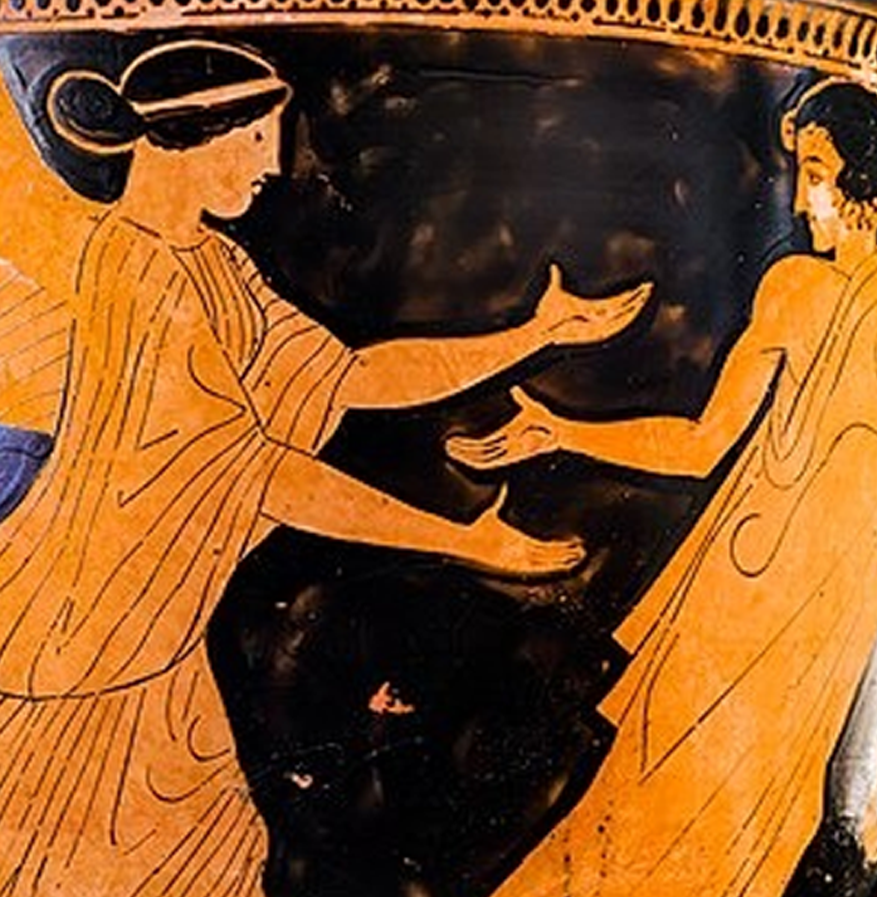
“Tithonus,” originally titled “tithon,” was written in 1833 , and completed in 1859. The very first version of the poem was written following the death of Tennyson’s dearest friend Arthur Henry Hallam and seems to share the same despair felt by Tennyson on Hallam’s death.
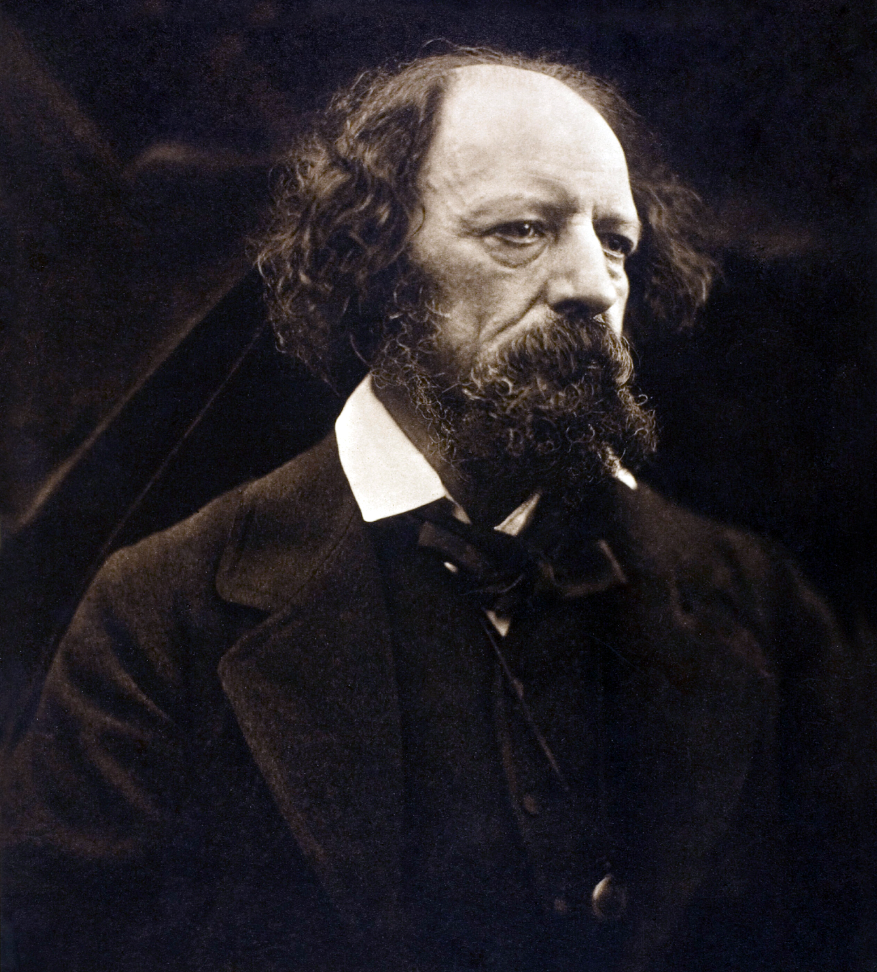
Citation: Cameron, Julia Margaret. Alfred, Lord Tennyson. 1869 (printed 1949). Art Institute of Chicago, Reference no. 1949.879. Available via Wikimedia Commons.
The poem is written as a dramatic monologue , by Tithonus himself as he laments his wish to be immortal and his desire for something so unnatural and unattainable that only causes him suffering in the end.
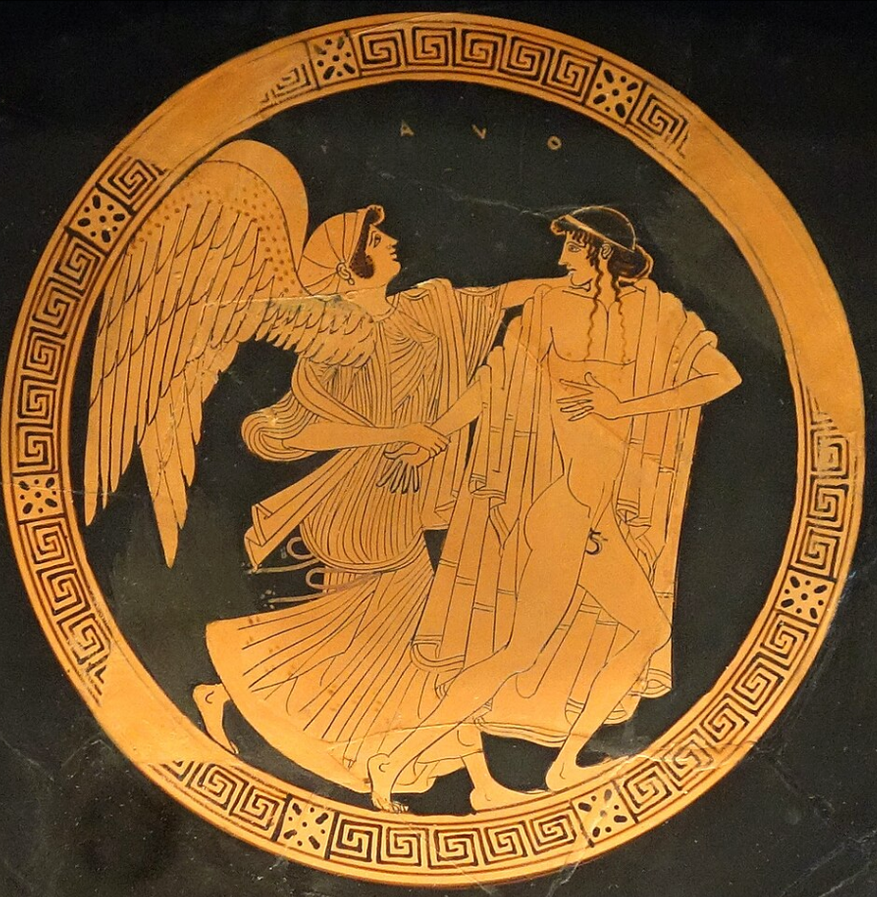
Citation: Solimena, Francesco. Aurora Taking Leave of Tithonus. 1704. Oil on canvas, 201.9 × 151.8 cm. J. Paul Getty Museum, Los Angeles. Accession no. 84.PA.65. Available via Wikimedia Commons.
Tithonus was the Trojan prince abducted by the Greek Goddess of dawn, Aurora or Eos, to be her lover. And Tithonus himself says that he felt “To his great heart none other than a God!” after being chosen by her. It is his pride that shatters when he is subjected to a loathsome and cruel old age that has withered him and left him “maim’d”.
The Trojan prince, after being chosen by a Goddess, gets ahead of himself and asks her to grant him immortality but foolishly forgets to ask for eternal youth. And as a result is left to dwell in the everlasting youth of Eos while he withers and mourns for death to end his sufferings.
The poem explores the theme of human acceptance of inevitability and how sometimes the greatest of gifts can turn into the object of greatest despair.
Tithonus starts his speech by saying how trees, clouds and even the most beautiful of all creatures perishes when the time comes. But only he is left to suffer from this cruel immortality as he slowly withers in the arms of the radiant Goddess Eos. He has grown so old with time that he can not even call himself a man; he is now a mere shadow of the glorious man he once was ; who had half-wittedly asked for eternal life.
Which the goddess had granted to him smiling but ; she could not protect him from the cosmic punishment and the “strong Hours indignant” that aged him , withered him and though they could not end his life left him diminished “To dwell in presence of immortal youth”.
He requests her to make amends and take back his gift and wonders
“Why should a man desire in any way
To vary from the kindly race of men,
Or pass beyond the goal of ordinance
Where all should pause, as is most meet for all?”
Why should man desire for such things that are so unnatural in themselves that they would only sow the seeds of tremendous agony and suffering into their lives? Why is man so eager to differ from the rest of his race? Why must man desire something so futile?
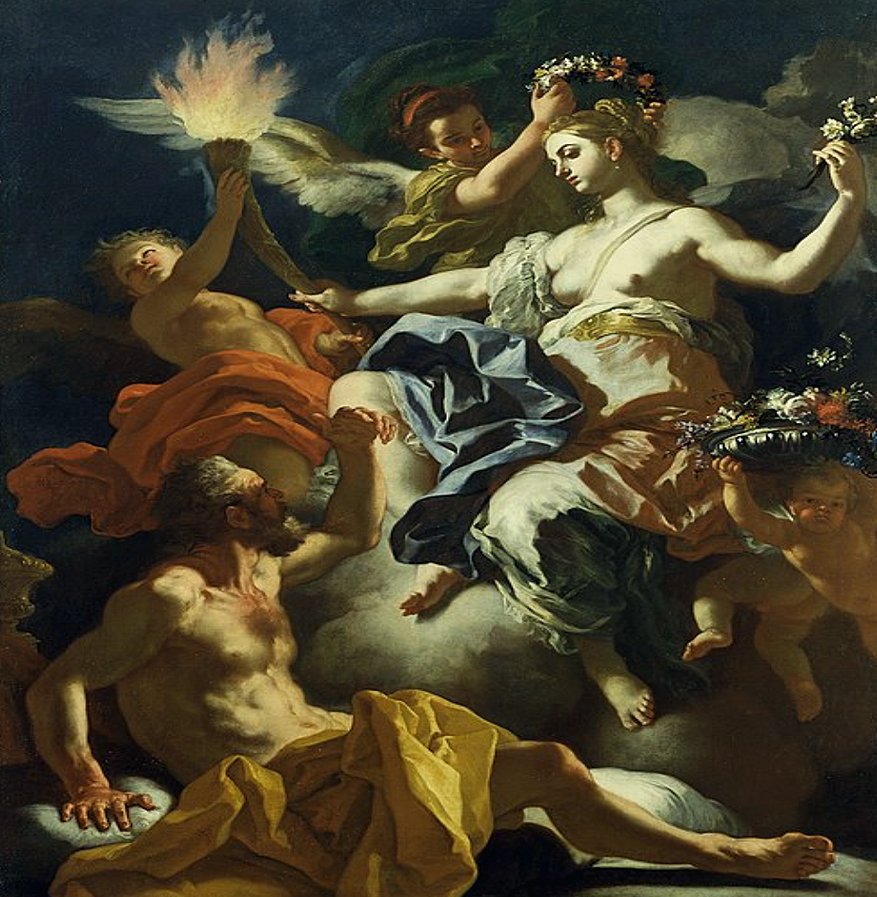
Citation: Solimena, Francesco. Aurora Taking Leave of Tithonus. 1704. Oil on canvas, 201.9 × 151.8 cm. J. Paul Getty Museum, Los Angeles. Accession no. 84.PA.65. Available via Wikimedia Commons.
He sees how every morning her youth renews and she glows with light that always surrounds her , how her bosom beats with “a heart renew’d” and her bright eyes “blind the stars”. He recalls the time when he also glowed with her warm and youthful presence and felt his blood rush with such vigor in his body. He remembers how she would kiss him with “kisses balmier than half-opening buds” and whisper to him things “wild and sweet, Like that strange song I heard Apollo sing”.
Nevertheless he is not full of life as he once had been and is afraid that the goddess can not after all recall her blessing. He thus requests her to let him go back to “that dark world” where he was born; as his nature can no longer compliment hers and her “rosy shadows” can no longer warm him; because now he is forever cold.
He envies the mortals who have the power to die and rest their souls and even more so the ones which are already dead. He is made of earth and dust and it is only proper that he is restored back to it.
The poem follows the common theme , that is the permanence of death and this is crucial for understanding both the poem and the poet because at the time Tennyson himself was also battling the same demon – Death.